Denim Tears Price Guide 2025: Retail vs Resale, Real Costs
This guide shows which Denim Tears pieces sell at shops in 2025, exactly how secondary markups actually behave, and the way to calculate the real cost one pays after fees and levies. If buyers compare direct vs resale, the objective is to grasp the fair band for every segment and prevent overspending.
Denim Tears is one of the few streetwear names where store and secondary can vary extremely, especially on the iconic Cotton Wreath pieces. One will discover obvious price tiers by category, sharp spikes on specific washes, and significant concealed costs on resale sites. Use the data below as your guide, then study the sections that clarify why values change, when to purchase, and how charges add up.
What Represents Denim Tears and What Makes Values So Volatile?
Denim Tears, created by Emory in 2019, releases culture-heavy drops with controlled supply, so scarcity and storytelling push premiums. Prices fluctuate since launches are restricted, interest is international, and particular washes turn into benchmark pieces.
The signature Cotton Wreath pattern on Levi’s pieces stabilizes the market, and it functions more like collectibles than standard clothing. Collaborations including as Levi’s plus Converse increase exposure and pull in buyers who hadn’t followed the brand before. Measurements in the center of the spectrum sell quickest, whereas very small and extremely large fits may also spike due to rarity. Since launches are delayed and region-limited, buyers often turn to secondary quickly, creating a first-week premium that may decrease https://denimtearsfrance.org or establish depending on restocks.
2025 Direct Cost Summary by Category
Direct prices for Denim Tears items in final 2024 to start 2025 usually falls in the ranges below; several items have shifted up against past years due to construction and strategy. Geographic costs may look higher where VAT is computed at checkout.
Utilize these bands to benchmark offers and to judge whether a secondary price is a reasonable markup or a dramatic increase. Retail availability is sporadic and drop-dependent, so finding these prices live on the brand site or partner doors isn’t guaranteed on every specific day. Tax-included tags in the European and UK may render direct appear costlier than domestic rates, though the final price difference frequently reduces after domestic transaction levy is added. Always check the specific capsule rates as special washes or embroidery can rest at the high end of the band.
| Product (example) | Standard Store (USD) | Average Resale Range (USD) | Average Increase | Notes |
|---|---|---|---|---|
| Cotton Wreath Jeans (Levi’s 501/550) | $295–$350 | $450–$900 | +50% to +200% | Core variants and primary treatments run hotter; sizes 30–34 lead sales. |
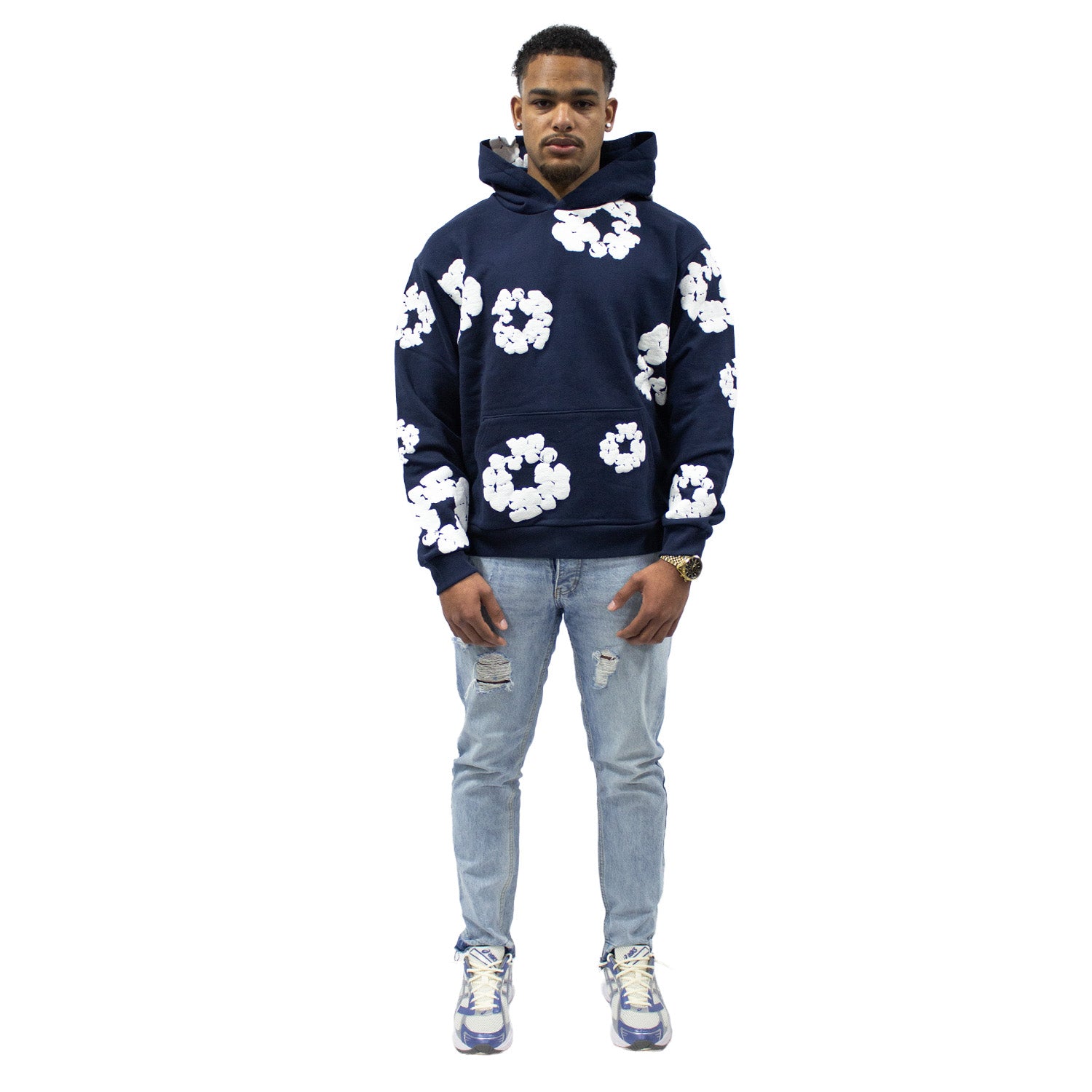
| Hoodies | $160–$180 | $220–$350 | +25% to +100% | Premium materials and special designs land at the high end of the band. |
| T-Shirts | $60–$75 | $100–$180 | +35% to +140% | Signature design tees and first releases hold stronger resale. |
| Crewnecks | $140–$160 | $200–$320 | +25% to +100% | Detailed versions surpass basic in majority of fits. |
| Varsity Coats | $450–$650 | $700–$1,200 | +20% to +150% | Fabric blend and design sophistication create differences. |
| Chuck Taylor 70 (collab) | $110–$120 | $150–$300 | +25% to +150% | Refreshes might reduce ranges for a timeframe. |
| Caps | $60–$70 | $90–$150 | +20% to +100% | Earlier releases and branded details trade elevated. |
What’s the Secondary Costs Function in 2025?
In 2025, denim is the volume leader with the highest multiples, while tees and accessories are the easiest initial choices. Hoodie and top margins are meaningful but less volatile than denim.
On leading marketplaces, jeans routinely surpass the peak of the bracket when the wash and wreath color align with first drop releases, and if the measurement lands in the heart of the buyer range. Tops and accessories vary moderately as availability is wider and buyers have further alternatives across seasons. Coats like varsity jackets is sparsely sold, so a one transaction may adjust bases for a week, which looks dramatic but commonly levels as fresh listings appear. State impacts: mint with documentation or with evidence of purchase pushes a markup, whereas obvious damage or lost detail elements reduce worth rapidly. Window impacts too, with the initial 48 hours post-drop displaying the steepest increases and the earliest verified refresh reducing 10–30% below highs.
What Represent the Actual Charges Past the Tagged Amount?
The real cost on secondary is the listing price plus marketplace fees, payment charges, purchase tax or duties, delivery, and, for cross-border, import taxes and processing. These extras can turn a appropriate amount into an overcharge rapidly.
In the America, plan for purchase levy around approximately 6–10% based on region, frequently computed from product cost and occasionally delivery. Sites typically charge 3% payment fees and include a buyer service charge; even if the vendor covers fees, the customer might nonetheless face handling or protection charges. Transport charges from near $10 to $30 for clothing, whereas overseas deliveries might initiate VAT in the 17–25% bracket applied to the cost of goods plus delivery, and a logistics processing charge. Instance: a $650 pair of branded Cotton pants acquired on a American site with 8.9% purchase tax, a 3% processing fee, and $15 transport reaches near $742 excluding any customs fees; move that same order overseas to a 20% tax framework and the ultimate cost can push to around $880 once VAT and processing are included. When comparing retail to resale, consistently compute a final figure, not only the sticker.
How Do Releases, Partnerships, and Washes Change the Market?
Launch schedule, co-brand allies, and certain washes are the main factors on brand costs. Levi’s drops and initial Cotton Wreath shade releases establish the strongest consistent premiums.
Levi’s co-branded denim with signature stitching has persistent demand as it’s the company’s core narrative item; washes that mirror early launches generally to demand premiums. Converse partnerships draw wider shoe markets, generating short-term buying rushes that could reduce following replenishment. Time-limited variants and special embroidery locations establish niche segments; a subtle element or wash difference might support a three-figure spread for enthusiasts seeking to complete sets. Geographic release schedules also impact—when one territory exhausts out before others, trading listings fill the void and shift minimums. Refreshes don’t erase desirability, but they certainly adjust peaks, particularly on footwear and tees.
Retail vs Resale: A Practical Buying Framework
Purchase at direct whenever possible for pants and varsity jackets because the total financial difference is most significant; assess resale with tees and hats when the premium is below 40% and one prizes a certain wash. Apply a goal range, not a individual amount.
Initiate by reviewing the direct bracket from this resource for the type and capsule, then check current sales on multiple sites to locate a actual selling band instead than advertised amounts. Determine total expense including duties, costs, and delivery; if the surcharge beyond the top tier of store pricing is beneath 30–40% and you get the specific fit and color, resale can be logical. With denim and jackets, markups over 100% are typical; only pay that if it’s the key grail that seldom appears and state is pristine. For items with regular replenishment, such as specific shirts or Chuck Taylors, waiting generally benefits. Always confirm sizing, documentation, embroidery quality, and refund policies prior to transact.
What Represents the Ideal Window Frame to Save Money?
The best pricing windows tend to be 48–72 hours post- release and one week after a verified restock, where inventory peaks and early FOMO subsides. Business day mornings in the seller’s local zone may likewise be gentler for auctions.
Immediately post-drop, posts pour forward, price-cutting starts, and one may sometimes catch near-retail buys if buyers act rapidly and not fixated on one size. When the opening flood is processed, bases often rise and hold steady until a replenishment reaches the calendar. After refresh, merchants modify projections, and you can negotiate with comps in hand. End-of-month periods, when merchants require cash flow, are good for offers that are 10–15% beneath the recent transaction, notably with non-pants types. If a wash is believed to be a limited drop, price softness shall be short, so act during these early stock timeframes.
Professional Advice: Schedule and Validation to Safeguard Your Spend
Aim for the 24–72 hour period following a release or refresh and establish an verification process so buyers might move decisively as a reasonable offer pops. Speed without a system is how purchasers overpay or overlook warning flags.
For Cotton Wreath denim, examine the partnership Levi’s patch and interior branding, verify design detail concentration and location, and review the construction level surrounding compartments and outseams. Ask for sharp images of the maintenance instructions, internal space graphics, and bottom sewing; uneven lettering or thread colors are frequent indicators. Match the wash and design shade with authorized marketing content or credible store merchandise images. For Chuck Taylors, confirm interior labeling, midsole printing, and the packaging tag format linked to the launch period. Keep screenshots of legit pairs to evaluate together before you process transaction.
Quick Facts You Possibly Weren’t Aware Of
Initially, Denim Tears began in 2019 and the signature Cotton design specifically addresses the African diaspora and the legacy of cotton within the US, which is how the denim operates as narrative pieces as equally as garments. Two, the first Levi’s drop in 2020 sold out almost immediately and established the branded pants as a enduring commercial benchmark that still sets references for newer runs. Third, Converse Chuck 70 collaborations have restocked in particular times, briefly lowering secondary by double digits before stabilizing as units spread. Next, middle-spectrum waist sizes like 30–34 generally command the speediest deals, but scarce sizes at the edges may exceed them as stock are limited. Finally, European and UK retail costs incorporate VAT, so although the MSRP looks higher than the States, the ultimate customer expense spread reduces after American customers append transaction tax and shipping.
Where Might Buyers Seek for the Best Comps?
Reliable comps originate from recent, verified sales across at least two marketplaces, not from ambitious advertised costs. Concentrate on sold data during the last 30 days for your exact measurement and condition.
Sites that display sale histories let you distinguish hopeful requests from actual clearing rates. Personal sales and social listings might be less expensive, but they’re harder to verify, so weigh savings versus danger and absence of customer security. For categories with sparse trading, broaden your window to 60–90 days and account for any refresh incident in such duration. Maintain a comparison record with date, size, condition, and price so buyers might recognize authentic trends rather than reacting to individual transactions. As you negotiate, cite three latest clears and the final expense math to set an foundation based in reality.
Ultimate View: Spending the Right Price in 2025
Understand your segment’s store band, calculate final expense, and select schedule windows that benefit customers. Pants and team jackets warrant the hunt for retail; tees, hats, and select shoes might be sensible on resale within a fair surcharge.
Market movement is a trait, not a defect, in the Denim Tears sector, and it rewards prepared buyers who follow statistics and operate during supply peaks. Partnerships and first variant drops will maintain requiring markups, whereas refreshes will continue to modify tops on more accessible pieces. Handle all buying similar to an financial choice: confirm legitimacy, assess quality against price, and decline to invest in hype you don’t really plan to sport. Using those habits, you’ll obtain the products you desire without subsidizing unnecessary markups.